

TL;DR:
- Car classifications are based on body style, size, and primary use, influencing performance and costs.
- Different car types like sedans, SUVs, hatchbacks, and coupes suit specific lifestyles and needs.
- Researching model specs and matching them to real-life use ensures better long-term satisfaction.
Walk into any dealership or scroll through any used car listing site, and you'll quickly realize there are hundreds of car models staring back at you. Sedans, SUVs, hatchbacks, coupes, trucks — the categories alone feel overwhelming before you even get to trim levels and engine options. Most buyers spend more time picking a streaming service than understanding what body style actually fits their life. That's a problem, because the wrong model choice costs you money, comfort, and years of regret. This guide cuts through the noise by breaking down every major car model type, comparing them head-to-head, and helping you match the right vehicle to your actual lifestyle.
Table of Contents
- How car models are classified
- Overview of popular car model types
- Comparing performance, efficiency, and utility
- Which car model suits your needs?
- Why car model education beats brand loyalty
- Ready to compare and track your preferred car models?
- Frequently asked questions
Key Takeaways
| Point | Details |
|---|---|
| Understand car classification | Learning how car models are classified makes comparisons and shopping easier. |
| Know model strengths | Each type—sedan, SUV, hatchback, etc.—has strengths and limitations for different drivers. |
| Match model to lifestyle | Choosing a car model based on your needs leads to higher satisfaction and smarter spending. |
| Compare specs before buying | Looking at efficiency, performance, and utility side-by-side prevents regrets. |
| Brand isn’t everything | Focusing on the right model for you matters more than brand reputation alone. |
How car models are classified
Before you can choose the right car, you need to understand how cars are organized in the first place. Automakers and buyers rely on a handful of core criteria to sort models into categories. Car model classifications are determined by body style, size, and intended use, whether that's a sedan, SUV, or coupe. These categories aren't just marketing labels. They directly affect how the car performs, what it costs to maintain, and whether it fits your daily routine.
Here's a quick look at the most widely recognized car model categories and what defines each one:
| Category | Body style | Typical size | Primary use |
|---|---|---|---|
| Sedan | Three-box, four-door | Compact to full-size | Daily commuting, families |
| SUV | High-riding, four-door | Mid-size to full-size | Versatility, rough terrain |
| Hatchback | Two or four-door, rear hatch | Subcompact to compact | City driving, cargo needs |
| Coupe | Two-door, sloped roofline | Compact to mid-size | Sport, style |
| Convertible | Retractable roof | Compact to mid-size | Leisure, open-air driving |
| Pickup truck | Cab with open bed | Mid-size to full-size | Hauling, towing, work |
A few things worth noting about these classifications:
- Body style is the most visible factor but not the only one.
- Size categories (subcompact, compact, mid-size, full-size) layer on top of body style.
- Region plays a role too. Trucks and large SUVs dominate in North America, while hatchbacks are far more common in Europe and Asia.
- Manufacturers sometimes blur the lines. Crossovers, for example, blend SUV ride height with car-like handling.
For buyers, understanding classification is the starting point for smarter research. It narrows your search before you ever look at price or brand. If you're managing multiple vehicles or tracking specs across different models, keeping your car portfolio explained and organized from day one saves serious time.
Pro Tip: Don't let manufacturer marketing confuse you. If a vehicle is labeled a "sport crossover" or "adventure wagon," look at the actual body style and ground clearance to figure out which traditional category it falls into.
Overview of popular car model types
Now that classification makes sense, let's get specific. Each major car model type has a personality, a set of strengths, and a buyer profile it suits best. Popular car types include sedans, SUVs, hatchbacks, and trucks, each suited to different needs, and knowing those differences saves you from a costly mismatch.
Sedan: The classic four-door layout offers a good balance of comfort, fuel economy, and affordability. Sedans are ideal for daily commuters and families who want reliability without the bulk of an SUV. Think Toyota Camry or Honda Accord.
SUV: Sport utility vehicles offer generous passenger and cargo room, higher seating positions for better visibility, and available all-wheel drive. They're built for families, road trips, and light off-road use. They do come with higher fuel costs, though.

Hatchback: A compact body with a rear door that swings upward makes hatchbacks surprisingly practical. You get more usable cargo space than most sedans in a smaller footprint. Perfect for urban drivers who need flexibility. Use car finder tools to compare hatchback models side by side before committing.
Coupe: Two doors, a lower roofline, and sportier proportions define the coupe. It prioritizes style and driving feel over pure practicality. Great for enthusiasts and collectors, but rear seat access is tight.
Convertible: Drop-top cars deliver an experience that no other type can match. The trade-off is reduced structural rigidity, less trunk space, and higher purchase prices. These are weekend and leisure vehicles more than daily drivers.
Pickup truck: Full-size trucks like the Ford F-150 or Ram 1500 dominate in towing and hauling capacity. They're the right call for contractors, outdoor adventurers, and anyone who regularly moves large cargo. Parking and fuel costs are the obvious trade-offs.
Understanding car specs in buying decisions helps you go beyond body style and look at what each model actually delivers under the hood and in real-world use.
Pro Tip: If you're torn between an SUV and a hatchback, compare cargo volume with rear seats folded. Hatchbacks often surprise buyers with how competitive they are at a fraction of the running cost.
Comparing performance, efficiency, and utility
Body style tells you the shape. Specs tell you the story. Let's put the main car model types side by side where it actually counts.
| Car type | Avg. fuel economy (mpg) | Performance feel | Cargo/passenger space | Typical insurance cost |
|---|---|---|---|---|
| Sedan | 28 to 35 | Balanced | Moderate | Low to moderate |
| SUV | 20 to 28 | Smooth but heavy | High | Moderate to high |
| Hatchback | 30 to 40 | Nimble | Good for size | Low |
| Coupe | 25 to 32 | Sporty, responsive | Low | Moderate to high |
| Convertible | 24 to 30 | Exciting, light | Very low | High |
| Pickup truck | 15 to 22 | Powerful, robust | Very high (bed) | Moderate |
Compact cars are generally more fuel-efficient, while SUVs offer more space but higher fuel consumption. That gap compounds over years of ownership. A driver covering 15,000 miles per year in a truck versus a hatchback could spend $1,500 or more extra annually just on fuel.
Here are the top factors to weigh when comparing types:
- Fuel economy: Hatchbacks and sedans win here. Trucks and SUVs cost more per mile.
- Cargo utility: Trucks lead, followed by SUVs and hatchbacks. Coupes and convertibles trail significantly.
- Handling and performance: Coupes and sports-tuned sedans feel most responsive. Trucks and large SUVs take corners with more effort.
- Insurance costs: Convertibles and performance coupes typically carry higher premiums due to theft rates and repair costs.
- Maintenance costs: Sedans generally have lower maintenance bills. SUVs and trucks require more expensive parts and labor.
"The right car is never just about what impresses in the lot. It's about what makes sense after 50,000 miles of real driving."
For used car buyers, car specs comparison becomes even more critical because original performance specs degrade differently depending on the model type and prior use. Reviewing a car manuals guide for any prospective model gives you the baseline specs the manufacturer intended, which helps you spot wear or modifications faster.
Which car model suits your needs?
Understanding the differences brings us to the final question: which car model actually fits your lifestyle or collection needs? This is where specs meet real life.
Selecting the right model depends on your typical driving needs, passenger count, and cargo demands. Here's how that breaks down by buyer type:
- Families with kids: Mid-size or full-size SUVs are the clear choice. Three-row SUVs like the Toyota Highlander or Kia Telluride offer the space and safety features growing families prioritize.
- City commuters: Hatchbacks or compact sedans make urban life easier. Lower fuel costs, easier parking, and lower insurance all add up.
- Outdoor adventurers: SUVs with all-wheel drive or pickup trucks handle unpaved roads, carry gear, and tow trailers. Ground clearance matters more than passenger room here.
- Driving enthusiasts and collectors: Coupes and convertibles scratch the performance itch. If you're building a collection, model rarity and documented specs become the real priority.
- Budget-conscious buyers: Sedans and hatchbacks consistently deliver the best value over time. Lower purchase price, fuel costs, and maintenance bills compound into real savings.
One often-overlooked consideration is resale value. SUVs and trucks tend to hold value well in North America. Coupes and convertibles can be volatile depending on the model and condition. Before you finalize a choice, use find car specs resources to confirm you're getting the exact trim and configuration you expect.
Statistic to consider: According to industry data, buyers who research specific model specs before purchase report significantly higher long-term satisfaction than those who rely on brand reputation alone.
Also, always run a vehicle history checklist for used models. The car's history can disqualify even the most suitable model type if there's hidden damage or title issues lurking in the records.
Why car model education beats brand loyalty
Here's a take you won't hear at most dealerships: brand loyalty is the most expensive bias in car buying. Buyers who commit to a brand before understanding model types often end up with a vehicle that looks right on the badge but fails them in daily use. We've seen it repeatedly with collectors who chase a prestigious marque and wind up with a coupe when they needed cargo room, or an SUV when they'd have been far happier in a responsive hatchback.
The most informed enthusiasts always start with use-case and specs, not the logo on the hood. They compare car models smartly and treat body style as the first filter, not brand history. That approach leads to better performance, lower running costs, and purchases they're still happy about five years later.
Even experienced collectors benefit from going back to basics. Revisiting why certain model types hold value, perform better, or suit specific conditions keeps your collection and your daily driver aligned with what actually matters. The badge is just the last thing you decide on, not the first.
Ready to compare and track your preferred car models?
If you want to put this knowledge to use, here's an easy next step. AutoManual gives you instant access to full technical specs for any vehicle using just the VIN, no account required. That means you can verify body style, engine specs, trim level, and more before you commit to any purchase.
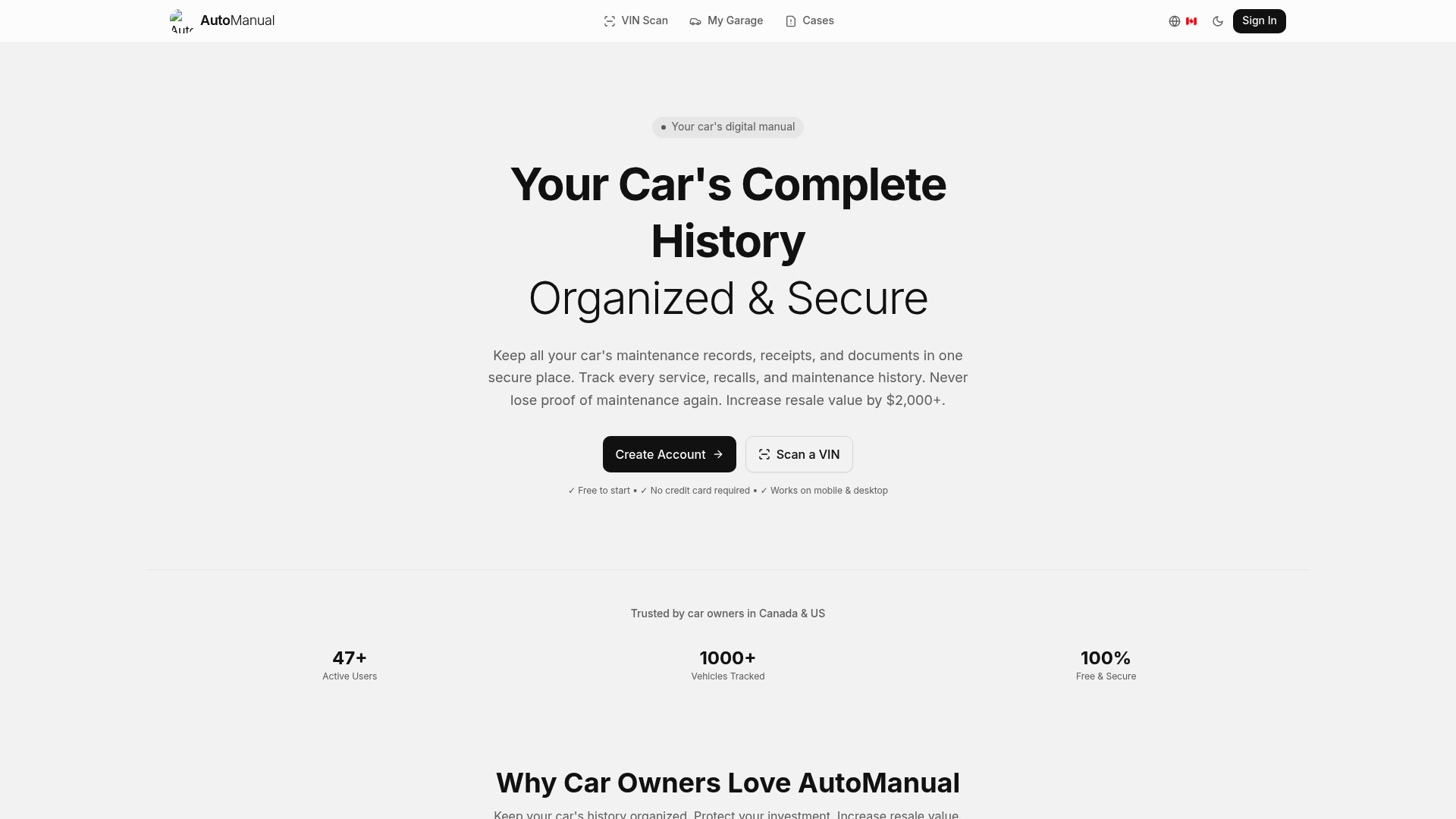
You can scan a car profile for any model you're considering and see exactly what you're getting. The AutoManual vehicle vault also lets you store and organize your entire vehicle lineup in one place, from specs and maintenance records to documents and ownership history. Whether you're buying your first car or adding to a collection, AutoManual makes confident decisions easier.
Frequently asked questions
What are the main types of car models?
The main car categories are sedan, SUV, hatchback, coupe, convertible, and pickup truck, each designed for different needs and driving situations.
How do I choose the right car model for my needs?
Determine your priorities such as space, fuel efficiency, and intended use, then match them to the model type that fits best. Selection depends heavily on your use-case priorities, not just your budget.
Are SUVs more expensive to maintain than sedans?
Yes. SUVs generally carry higher maintenance and fuel costs compared to sedans because of their larger size, heavier components, and greater complexity.
What's the difference between a hatchback and a sedan?
Hatchbacks offer a rear door that swings upward for accessible cargo space, while sedans feature a separate enclosed trunk that limits flexibility but maintains a more traditional profile.